
Think about the latest brand that genuinely caught your attention. Maybe it was a café with beautifully designed packaging, a clothing brand with instantly recognisable visuals, or a company whose staff looked polished and consistent the moment they walked into a room.
Now think about why so many other businesses fade into the background despite offering good products or services. In many cases, the difference comes down to identity design.
A logo alone is not enough to make a business memorable. Neither is a colour palette or a nicely designed Instagram post. Strong brands are built through complete visual systems that make everything feel connected, intentional, and recognisable.
The good news is that identity design is not reserved for large corporations with massive budgets. It is one of the most practical and accessible ways for businesses of any size to shape how people see and remember them.
What Is Identity Design?
Identity design is the process of creating a visual system that communicates who a brand is before a single conversation even happens. It goes far beyond designing a logo. Identity design includes colours, fonts, layouts, imagery, icons, and the way all these elements work together consistently across different platforms and materials.
In simple terms, identity design creates the rules while graphic design follows them. One builds the overall system, while the other applies it across websites, social media, packaging, uniforms, and marketing materials. A useful way to think about it is this. Identity design is the personality of a business made visible. Just as people form quick impressions based on how someone dresses or presents themselves, customers form immediate opinions about businesses based on how the brand looks and feels.
When identity design is done well, everything feels connected. A business card, a company t-shirt, a social media post, and a product package should all feel like they came from the same business without needing to explain it. That consistency is what makes brands feel familiar and trustworthy over time.
Why Brand Design Is Important
People make snap judgments every day. In many cases, customers form an opinion about a business within seconds of encountering it for the first time. Before someone reads a product description or speaks to a staff member, they are already reacting to visual presentation. A polished and consistent brand immediately communicates professionalism, reliability, and attention to detail.
On the other hand, inconsistent branding quietly creates doubt. A business with mismatched colours, unclear visuals, outdated uniforms, or inconsistent messaging may unintentionally appear disorganised even if its products or services are excellent.
Consistency has a compounding effect over time. When a business looks and feels the same across its website, social media, emails, uniforms, packaging, and merchandise, customers begin recognising it more easily. That familiarity builds trust.
This is especially important for businesses in Singapore where competition is high across almost every industry. Strong visual consistency helps smaller businesses compete more confidently against larger and more established companies. Good branding does not always come from having the biggest marketing budget. Often, it comes from presenting the business clearly and consistently everywhere customers encounter it.
The Company Identity Design Process Step by Step
For many business owners, identity design sounds complicated or overwhelming. In reality, the process is much more practical than people expect. It usually begins with discovery. This is one of the most important steps and also one of the most overlooked.
Before any visuals are created, strong identity work starts by understanding the business properly. This includes understanding the company’s audience, competitors, goals, personality, and the impression it wants customers to remember. From there, the visual direction starts taking shape through colours, typography, imagery, layouts, and overall presentation style.
Once the visuals are developed, the next step is creating a system that keeps everything consistent. This often comes in the form of brand guidelines that explain how logos, colours, fonts, messaging, and visuals should be used across different situations.
Good guidelines help ensure the business continues looking consistent even as different people work on marketing materials, social media content, uniforms, or printed items over time. Most importantly, identity design should never be treated as a one-time project. Businesses grow, industries evolve, and customer expectations change. Strong brands evolve carefully over time while still remaining recognisable. Every consistent interaction helps build stronger familiarity and trust with the people who matter most.
Where Brand Identity Design Meets the Physical World
Many businesses manage their branding reasonably well online. Their websites look polished, their social media feels consistent, and their digital presence appears professional.
The physical world is often where things start falling apart.
A business may have beautiful online visuals but inconsistent uniforms, low-quality printed materials, poorly designed merchandise, or event setups that feel disconnected from the brand customers saw online.
Customers notice this disconnect immediately even if they cannot fully explain why. Something simply feels off.
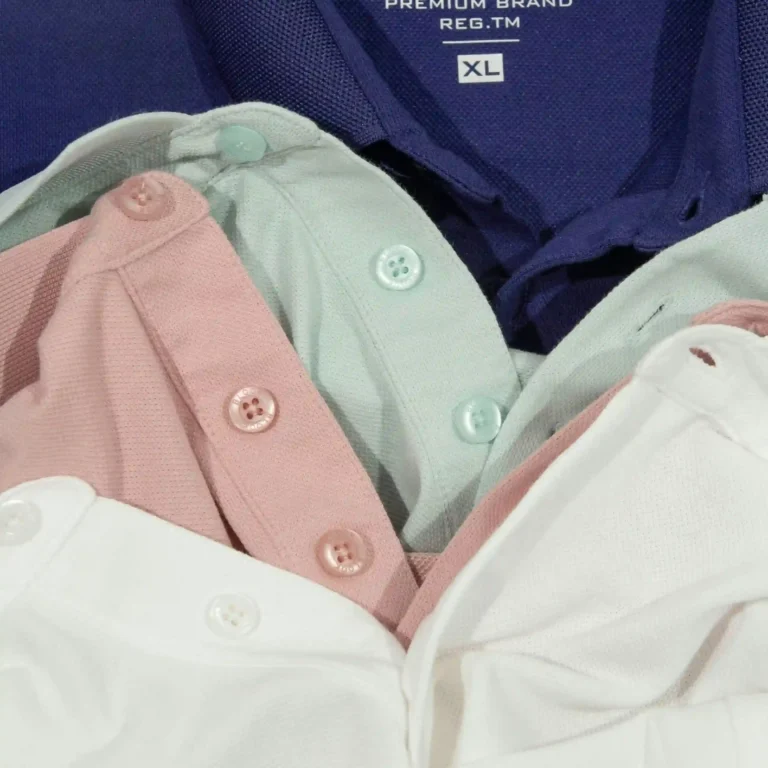
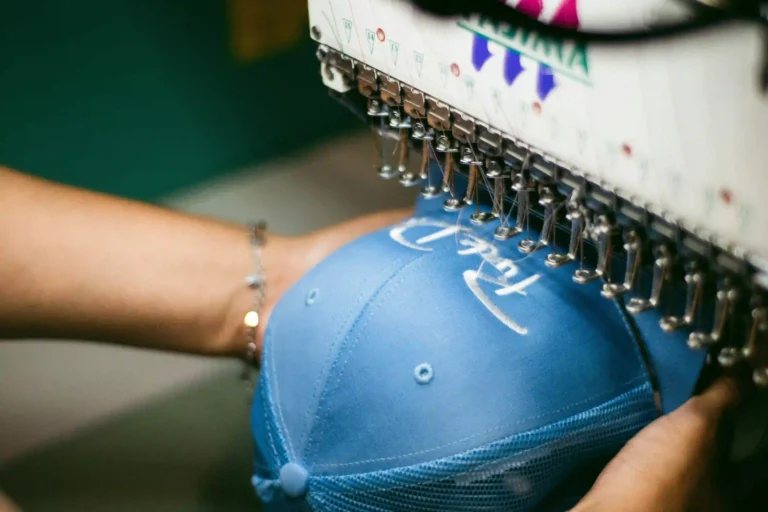
This is why physical touchpoints matter so much. Uniforms, company t-shirts, branded tote bags, packaging, mugs, event banners, and merchandise are all part of how customers experience a business in real life.
Every physical item connected to the company quietly communicates something about the brand.
A thoughtfully designed company t-shirt can make employees look more professional and approachable. A well-made tote bag can keep a business visible long after an event ends. Even something as simple as colour consistency across uniforms and packaging helps reinforce recognition over time.
For businesses looking to bring their branding into the physical world more consistently, explore Imprint Singapore’s t-shirt collection for customised apparel solutions designed to help brands look cohesive, professional, and instantly recognisable across every customer interaction.
The Most Common Identity Design Mistakes And How to Avoid Them
Many branding mistakes are surprisingly common, especially for growing businesses. The good news is that most of them are completely fixable once businesses become aware of them.
One of the biggest issues is inconsistency across touchpoints. Slightly different logo versions, colours that change between print and digital, or fonts that vary from one platform to another may seem minor individually, but over time they weaken recognition significantly.
Another common mistake is designing based on personal preference instead of the target audience. Branding should connect with customers, not simply reflect the founder’s favourite colours or styles.
Some businesses also build branding that only works digitally. A logo that looks great on a screen may not work well on fabric, uniforms, packaging, or merchandise if those applications were never considered during the design process.
Skipping brand guidelines is another major issue. Without clear rules, branding gradually drifts as different people apply it differently across marketing materials, apparel, social media, and printed assets.
Finally, many businesses treat identity design as a one-time task that never needs revisiting. Over time, even strong branding can start feeling outdated if it never evolves alongside the business and its audience.
None of these mistakes are permanent. Strong branding is built gradually through consistency, awareness, and thoughtful improvements over time.
At the end of the day, the brands people remember are rarely the ones shouting the loudest. They are usually the ones that feel the most intentional, consistent, and recognisable every time people encounter them.
From websites and packaging to uniforms and merchandise, every detail contributes to how customers experience and remember a business.

 Wanderus Technologies