
Many people think branding only refers to a logo or colour palette. While visuals are important, they are only one part of how people experience a business. Customers form opinions through every interaction they have with a company. This includes the website they visit, the packaging they receive, the uniforms employees wear, the tone used on social media, and even the way staff communicate during customer interactions.
Strong branding helps businesses appear more professional, memorable, and trustworthy in competitive industries. More importantly, it creates consistency across these touchpoints, so customers know what to expect every time they interact with the company. A strong brand is not simply something customers see. It is something they experience repeatedly through the way a business presents itself every day.
What Is Brand Identity?
Brand identity refers to the collection of visual, verbal, and emotional elements that shape how a business presents itself to the public. This includes logos, typography, colours, messaging, tone of voice, packaging, uniforms, websites, marketing materials, and even customer interactions. Together, these elements create a recognisable and consistent image that people associate with business.
Branding and identity work closely together to build familiarity and trust over time. When customers repeatedly see the same colours, communication style, and overall presentation, the business becomes easier to recognise and remember. At the same time, a strong identity goes beyond aesthetics. It also reflects the company’s personality, values, positioning, and the experience it wants customers to associate with the business.
A company that wants to appear premium may focus on sleek visuals and polished communication, while a more approachable brand may prioritise friendlier messaging and relaxed presentation styles. Ultimately, identity is how a business consistently introduces itself to the world.
Why Brand Identity Matters for Businesses
Strong branding plays an important role in helping businesses stand out in crowded and competitive markets. Customers are exposed to countless businesses every day, which means companies that appear inconsistent or forgettable often struggle to leave a lasting impression. Consistent branding helps businesses look more organised, professional, and trustworthy.
Recognition also improves marketing effectiveness. When customers can quickly recognise a business through its colours, messaging, or presentation style, marketing campaigns become easier to remember and more impactful over time. Consistency matters across every customer touchpoint. A business may have a professionally designed website, but if its social media, packaging, uniforms, or customer communication feel completely different, the overall experience becomes fragmented.
Strong branding helps create a more cohesive experience across websites, social media, packaging, events, workwear, and customer interactions. Branding can also influence company culture internally. Employees often feel a stronger sense of connection and pride when they clearly understand the company’s values and direction. When teams consistently represent the business visually and professionally, it helps reinforce a stronger sense of unity across the organisation.
The Difference Between Branding and Identity
Although people often use the terms interchangeably, branding and identity are not exactly the same thing. Identity refers to the visual and communicative elements a business creates intentionally. This includes logos, colours, typography, messaging, uniforms, packaging, and presentation styles. Branding, on the other hand, refers to how people perceive and experience business overall. In simple terms, identity is what the business creates, while branding is what customers remember and feel after interacting with the company repeatedly.
For example, a business may design a polished logo and professional uniforms, but customer perception is ultimately shaped by whether people consistently experience professionalism, reliability, and good service during every interaction.
Strong branding happens when visuals, communication style, customer service, workwear, and overall customer experience all align consistently. This is also why perception develops gradually over time. Customers build opinions through repeated experiences, not through a single advertisement or visual alone.
Companies With Strong Brand Identity
Some businesses become instantly recognisable not because they spend the most money on marketing, but because they remain highly consistent in how they present themselves. Strong recognition is often built through repetition and clarity rather than constant reinvention.
Customers naturally begin associating certain colours, messaging styles, uniforms, or experiences with specific businesses because they encounter them repeatedly over time. Companies with strong branding often share several common traits:
-
Consistent visual presentation
-
Clear and recognisable messaging
-
Professional employee appearance
-
Cohesive customer experiences across online and offline channels
For example, uniforms and apparel play a much bigger role in recognition than many businesses realise. A coordinated and professional-looking team can immediately make a company appear more trustworthy and organised.
The good news is that strong branding is not limited to large corporations. Small businesses and startups can also build stronger recognition by maintaining consistency across how they present themselves every day. Customers are more likely to trust businesses that feel clear, organised, and visually consistent.
How Workwear and Apparel Support Brand Identity
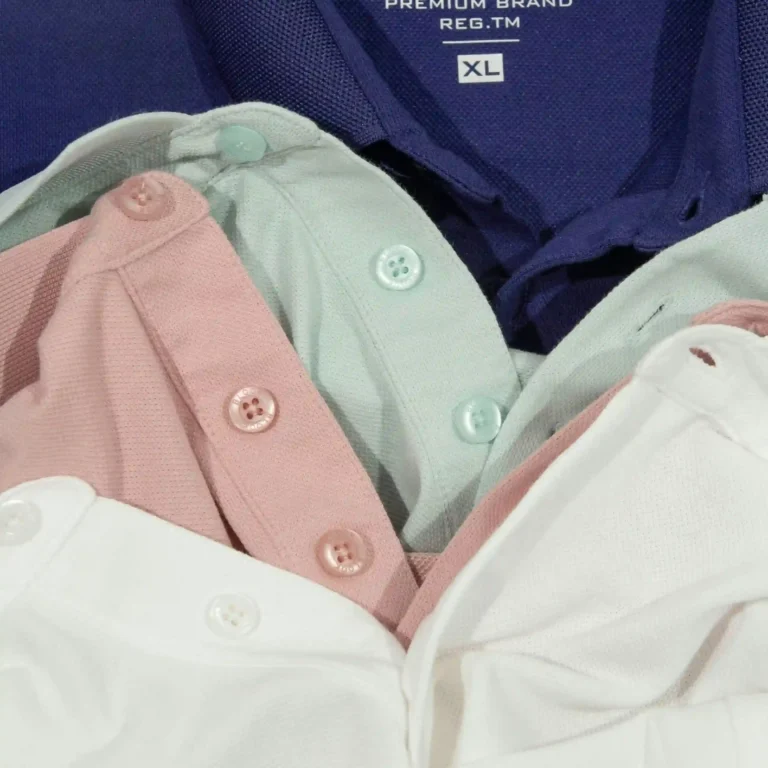
Workwear and company apparel are often overlooked parts of branding, but they play an important role in how businesses are perceived. Employees are usually one of the most visible representations of a business. The way teams dress directly affects how customers, clients, and the public view the company.
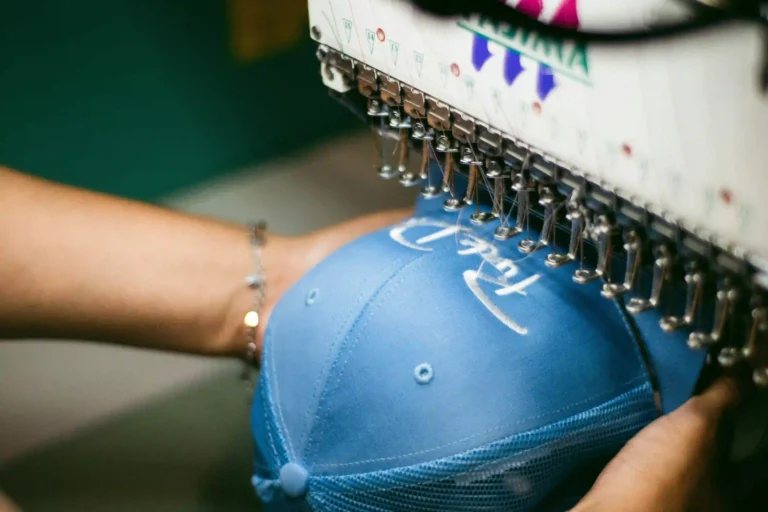
Customised workwear helps create consistency across customer-facing environments while reinforcing professionalism and recognition. Simple details such as shirt colours, logo placement, apparel quality, and overall presentation can influence whether a business appears polished and trustworthy or inconsistent and disorganised.
Branded apparel also increases visibility beyond the office environment. Employees wearing company uniforms at events, retail spaces, meetings, public spaces, or customer sites continue promoting the business throughout the day. At the same time, coordinated workwear can strengthen internal team identity. Employees often feel more connected to the company when they wear apparel that reflects a clear and professional image. Rather than functioning only as uniforms, company apparel becomes a visible extension of the business itself.
If you are looking to create a more professional and recognisable business presence, explore Imprint Singapore’s corporate uniform collection for customised apparel solutions designed to support consistent branding across teams and customer-facing environments.
Strong branding is built through consistency across every interaction, not just through logos alone. From messaging and customer service to packaging, apparel, and presentation, every detail contributes to how people experience and remember a business. To continue strengthening your business presence, explore the related guide on building a unique brand identity that stands out in competitive markets.

 Wanderus Technologies